
Lille hosted an extraordinary sporting event: the Pétanque World Championship. For several days, the capital of Flanders was transformed into the world capital of boules, bringing together players from all four corners of the globe and thousands of passionate spectators. A look back at an event that confirmed Lille's ability to host international sporting events of the highest calibre.
Pétanque: a universal sport
While pétanque is often associated with images of Provence and pastis, it is in fact played worldwide. With over 600,000 registered players in France and active federations in more than 80 countries, pétanque is a sport in its own right, with its champions, strategies and high-level competitions. Northern France is not to be outdone, with a boules tradition firmly rooted in regional culture.
The choice of Lille to host this world championship was no coincidence. The Lille metropolitan area has first-class sporting facilities and a recognised track record in organising major events. The success of the Lille Braderie 2025, which attracted 2.5 million visitors, bears witness to this exceptional hosting capacity.
An event at the heart of the city
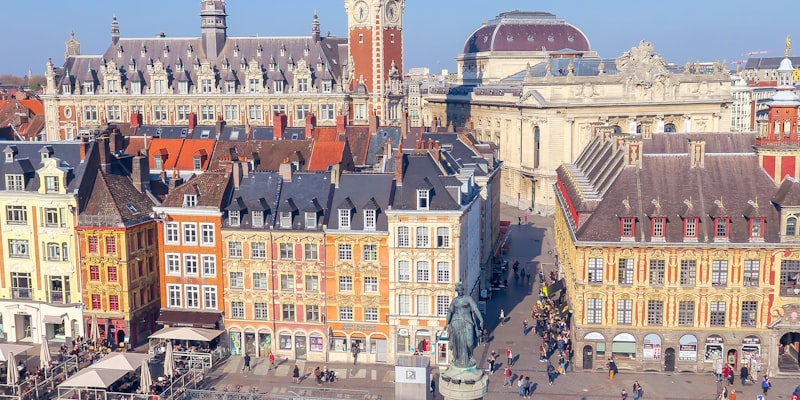
The championship took place in the very heart of Lille, transforming several squares and esplanades into competition grounds. The Grand'Place, usually home to café terraces and strollers, hosted the tournament finals in an electric atmosphere. Spectators, packed around the courts marked out on the square, were treated to top-flight matches between the world's best players.
Giant screens installed in the Vieux-Lille neighbourhood and on Place de la République allowed an even wider audience to follow the competitions live. Peripheral activities — free introductory sessions, precision shooting demonstrations, partners' village — helped create a true popular festival around the event.
Delegations from around the world
More than 50 countries were represented at this championship, from France to Madagascar, Japan to Senegal, Thailand to Canada. This geographical diversity illustrates the international reach of pétanque and its ability to bring together very different cultures around a shared passion.
The foreign delegations also took the opportunity to discover Lille and its region. Visits to the Palais des Beaux-Arts, walks through the parks and gardens and tastings of local specialities helped showcase the best of Northern hospitality to international visitors.
A significant economic impact
Hosting the pétanque world championship generated substantial economic benefits for the Lille metropolitan area. The city's hotels reported occupancy rates close to capacity throughout the event. Restaurants and shops in the city centre also benefited from the influx of visitors, with some recording turnover comparable to Braderie levels.
The event also provided considerable media visibility for Lille, with television broadcasts in numerous countries and significant press coverage. This exposure contributes to the international profile of the metropolitan area and strengthens its appeal as a tourist destination.
Pétanque in the Nord: a living tradition
The championship's popular success served as a reminder that pétanque is a widely practised sport in Northern France. Boule courts are numerous in the Lille metropolitan area, and local tournaments regularly bring together hundreds of players. The Ch'ti is to boules what the Provençal is to pastis: an unconditional lover of games among friends.
Lille's craft breweries even created special beers for the occasion, and the pétanque courts set up near the Citadel saw record attendance throughout the competition.
Lille, a land of major events
The pétanque world championship joins the long list of major events hosted by Lille in recent years. The city has once again demonstrated its ability to organise international-scale events in a festive and convivial spirit that is uniquely its own. Discover the complete calendar of events in Lille in 2026 so you don't miss any of the metropolitan area's upcoming highlights.
With the Lille Braderie 2026 on the horizon, the capital of Flanders confirms its status as a dynamic and welcoming city, capable of offering unique experiences to its visitors throughout the year.