
It is the most striking number in the Braderie de Lille 2026 assessment: 384 tonnes of waste collected over a single weekend. But the real lesson is not in the raw volume — it is in the trend.
Three times less than a decade ago
At comparable attendance, the Braderie produced roughly three times more waste ten years ago than it does today. The slight increase in 2026 is consistent with the 8% rise in visitor numbers: per head, the tonnage is still falling.
Three factors explain the shift: less packaging on catering stands, the spread of reusable containers, and above all sorting that has become systematic.
What was sorted
The recycling breakdown gives the measure of the effort:
- 6,980 kg of cardboard, mostly from the stalls;
- 2,140 kg of glass;
- 560 kg of food waste, a stream still young at this event.
To achieve it, the city deployed 25 skips, 280 containers of 660 litres and 1,000 cardboard bins across the perimeter.
The special case of the shells
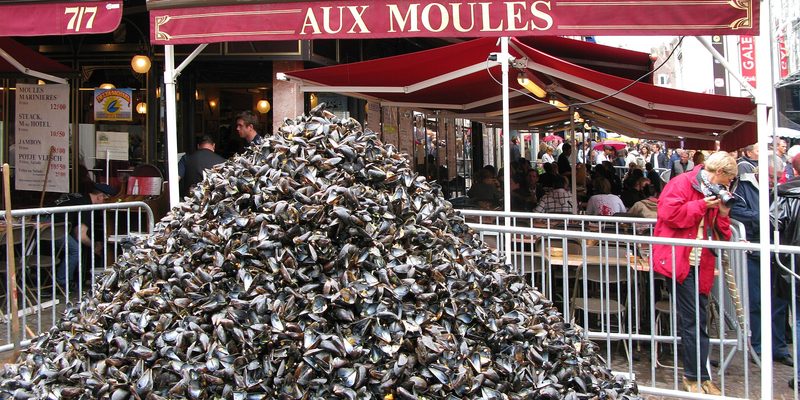
The heaps of shells outside restaurants are part of Braderie folklore. They have also found an outlet: since 2018 the empty shells have been collected separately and put to use, notably as construction materials. Our article on mussels and chips looks back at the tradition and what has become of it.
Six hundred staff to hand the city back
More than 600 city staff worked across the weekend, with the effort concentrated on the Sunday-to-Monday night. The principle is simple and has held for years: by Monday morning, the city must be handed back. That is the subject of our article on the big clean-up.
The event's sustainability effort plays out there, far more than in speeches.
Source: City of Lille, official Braderie 2026 assessment.