
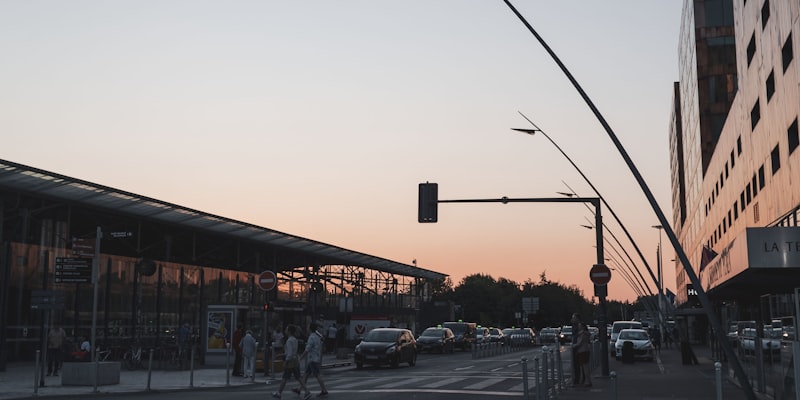
At 6pm yesterday, the Braderie de Lille 2026 closed its aisles. This morning, the city has already recovered its ordinary face. In between, an impressive logistical operation unfolded while most visitors were heading home.
A machine that starts immediately
The clean-up does not begin on Monday: it starts the moment the event closes, late on Sunday. Cleaning teams advance as stallholders pack up, district by district, in a long-established choreography.
Several hundred staff are mobilised, supported by sweepers, washers and skips. The objective is simple and ambitious: to make the city usable by Monday morning, when Lille resumes its normal working rhythm.
Considerable volumes
Two days of flea market and open-air catering leave an impressive quantity of waste: cardboard, packaging, abandoned unsold goods and, of course, the famous mussel shells piled outside the restaurants, which are collected separately.
This dimension has become an issue in its own right. Our article on the sustainable Braderie details the measures taken to reduce that footprint, from enhanced sorting to waste recovery.
Lille wakes up
For residents, Monday morning has a particular quality. The streets recover their traffic, terraces return to their usual size, and often only a few traces of the weekend remain. This ability to erase so quickly the marks of one of Europe's largest gatherings impresses every year.
It is also the moment to take stock of what happened: our review of the 2026 Braderie looks back at the highlights of the weekend.
What now?
The city closes this parenthesis, but Lille does not stop there. Museums, exhibitions and seasonal events take over from this week. As for the next Braderie, it will be held as always at the beginning of September.
See you next year for a new edition of Europe's largest flea market.